Words by Nicola Murray
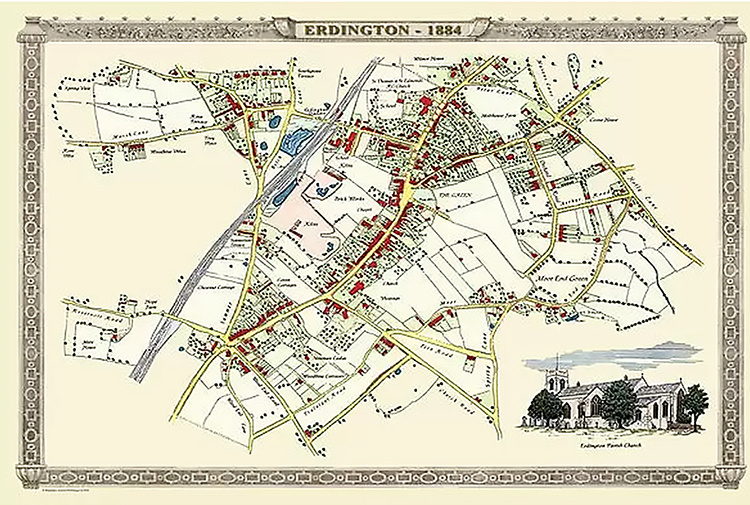
Walking through Erdington today it’s easy to miss the traces of the Second World War. A few scraps of concrete near Marsh Lane, a memorial tucked behind St Barnabas Church, bomb-scarred bricks at Stockland Green Methodist Church.
As Armistice Day approaches, the Erdington Historical Society (EHS) is working to make sure the town’s wartime story isn’t forgotten.
The society was originally founded in July 1950 but lasted only around four years. It was then reformed in 1985 and has run ever since.
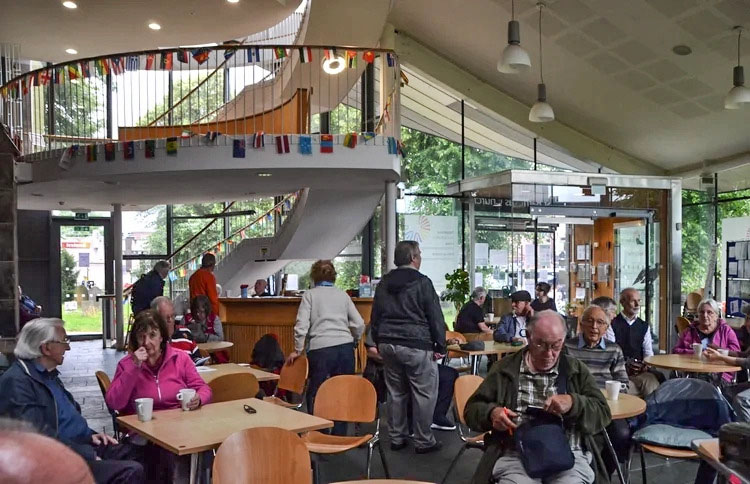
Members meet on the second Tuesday of every month at St Barnabas Church in Erdington Town Centre. Doors open at 6:30pm for tea and coffee, and then a speaker will begin at 7pm. Check out their website to see what topics they are covering in upcoming months.
“We’re keen to preserve our legacy,” says Paul Perkins, a member of the research team and acting Treasurer. “Erdington is not very well documented compared with the major cities, so I try to spread our history as much as I can.”
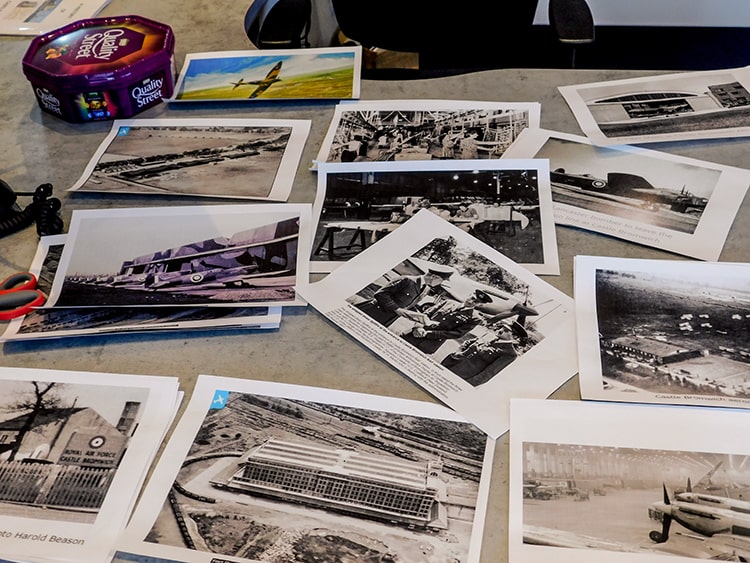
Much of that work centres on the war years, when the town found itself in the firing line of enemy bombers. Paul explains that Erdington sat within a triangle of important industrial targets, including the Spitfire factories, meaning stray bombs often fell on local streets. “We received more than our fair share,” he says.
At the heart of this tragedy are the stories of ordinary people. Families were bombed out of their homes, while the wounded were cared for at Highcroft Hospital. Residents queued at Erdington Baths for gas masks and ration books.
After the war, some families who had lost their homes lived for years in wooden barracks on Spring Lane, where a school now stands. Today, a public air-raid shelter on Marsh Lane survives only as fragments of concrete emerging from the ground.
Many of these stories could easily have been lost. Paul explains that a significant number of local records were destroyed in a fire, making the society’s work all the more important. Through research and talks, EHS helps piece together the forgotten history of the community.
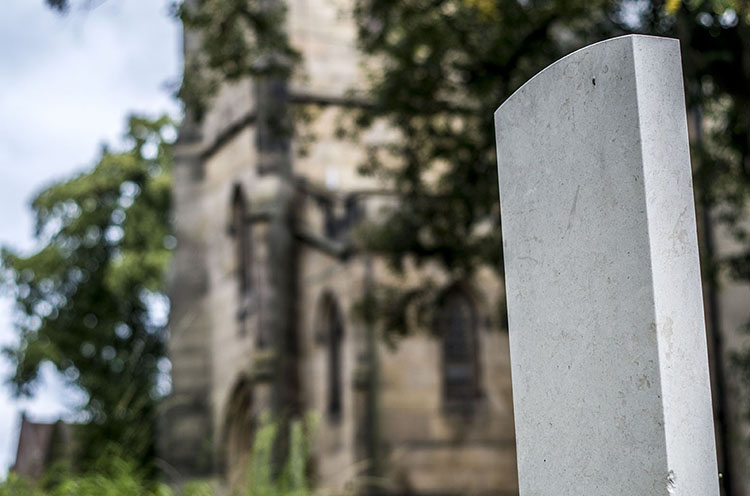
There are also moments of pride. The Commonwealth War Graves Commission website used a photograph of a St Barnabas grave on its homepage. “Of all the places in all of the country, they chose a grave from Erdington,” says Paul. The grave is a private one, not an official war grave, but it stands as a symbol of the lives lost in the war.
For Paul, sharing EHS’s research is personal. He has compiled a timeline of more than 30 pages and a collected over 1000 photographs, while also delivering talks on Erdington’s past. “Once I am gone, my legacy will be that people know as much as they can about local history.”
As Armistice Day approaches, he believes remembering matters most. “It’s important that we leave something behind, and that we don’t forget the people who paid the ultimate price.”
For more information on Erdington Historical Society visit www.stbarnabaserdington.org.uk/erdington-historical-society
If you are from a community group or an active volunteer anywhere in the Erdington constituency then we want to hear for you. Please email: community@erdingtonlocal.com

This article was first published in the Erdington Local monthly newspaper on 16 October.
To be the first to get your LOCAL NEWS delivered through your door and support independent community journalism, SUBSCRIBE LOCAL and email for more information at: subscribe@erdingtonlocal.com