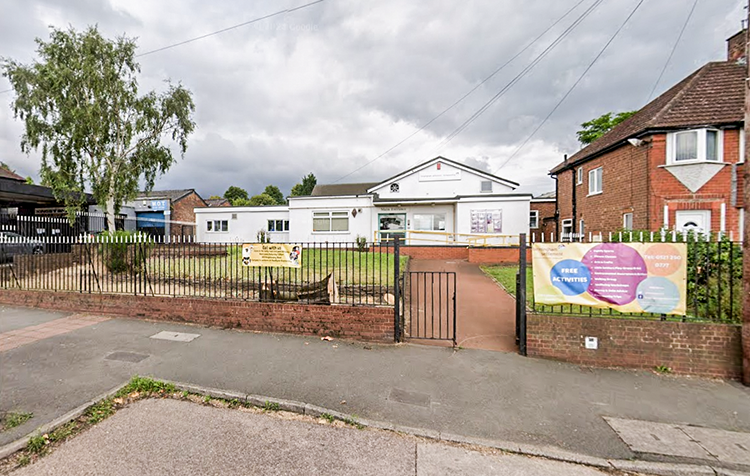
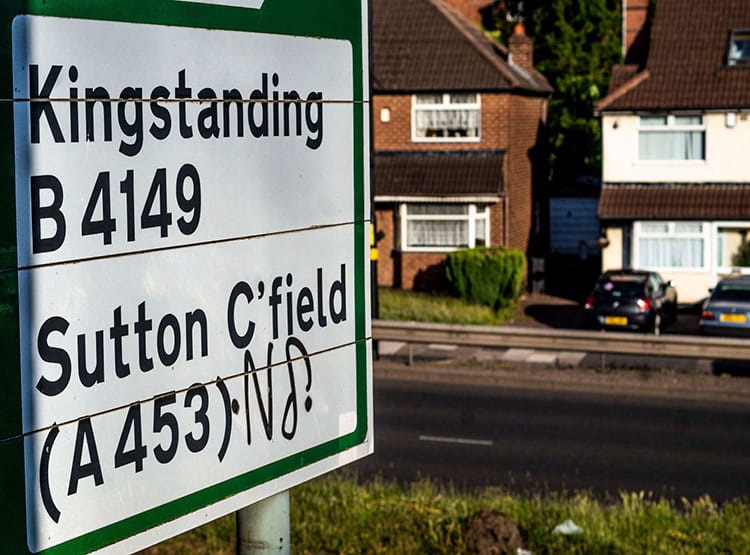
Martin Holcombe is Chief Executive of Birmingham Settlement, leading one of Birmingham oldest charities across the third sector seas for over two decades. And with centres in Kingstanding, Newtown, and Ladywood, the impact it has had both locally and across the city is significant.
But now he has another precarious and powerful balancing act, as the recently appointed independent Chair of the Pride in Place Board for Kingstanding – overseeing £20m of investment into the B44 postcode.
Kingstanding/Erdington Local caught up with Martin Holcombe to find out more about the past, present, and possible futures that surround him now – and what could be on a bright horizon for the north Birmingham suburb.
Words by Shaun Hand
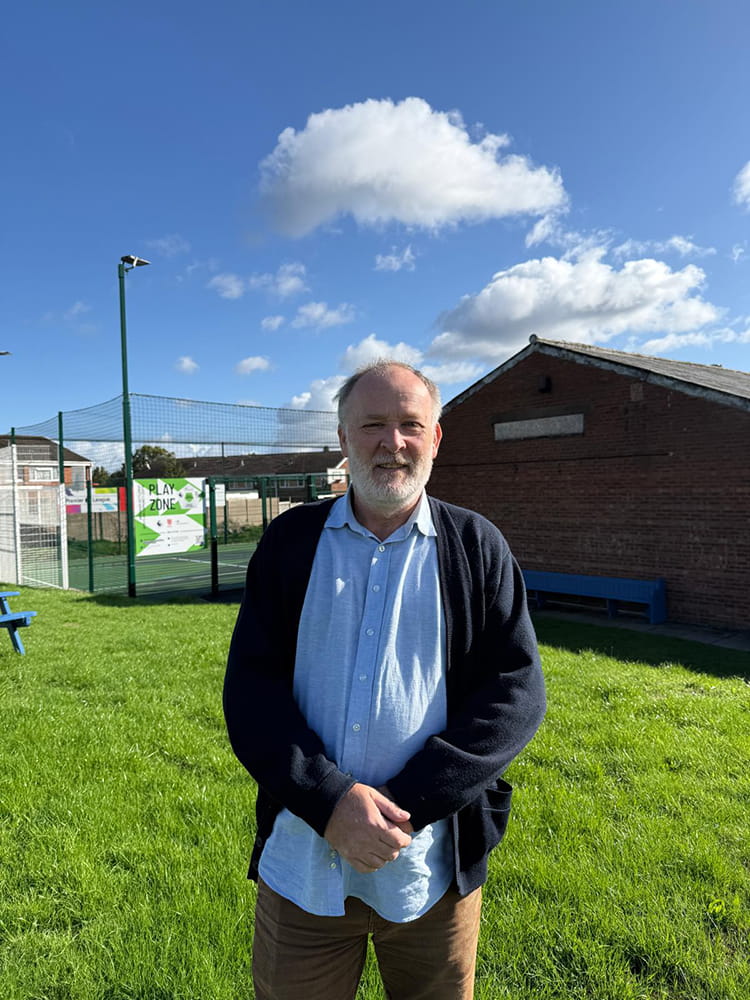
Martin Holcombe arrived in Birmingham in 2001, moving from London to be closer to family in the area.
By then, he’d already been involved in community work for a decade, having first encountered it when he worked as a minibus driver for a community transport charity, “picking up older people and supporting them with shopping and trips out, which I really enjoyed.”
More formal roles with Carers UK and the Specialist Schools Trust followed, during which time he also gained a HR qualification – which after a couple of years would lead him to become part-time HR Manager for Birmingham Settlement – a charity established in Newtown in 1919 to aid local women and families.
Three years later Martin was promoted to CEO and he’s still in charge today – overseeing the Settlement centres in Kingstanding, Newtown, and Ladywood.
“I spend most of my working time in Kingstanding,” Martin explains. “I meet with a lot of people accessing the Settlement’s services but other community groups, too. I also sit on a local charitable trust that awards small grants to Birmingham-based charities.
“And now, of course, I’m heavily tied into Pride in Place and I need to make sure I have the time for that work. I am very busy.”
An understatement, no doubt. What has been his proudest achievement with his day-job at Birmingham Settlement? “Survival,” he states. “[The charity] doesn’t have assured income streams, and the political landscape has been so uncertain that planning is not easy.
“The Settlement’s a local charity, but it’s still vulnerable to what feel likes constantly changing policies and direction at national, regional and city level.
“People want safe, welcoming places to go; they want advice and support that suits their needs. With everything being so short-term and changeable, that’s not easy to deliver!”
One notable delivery, though, has been the return of the Sports & Community Centre (SCC) on Kingstanding Road, formerly the 610 Centre, to Birmingham Settlement from previous tenants Birmingham City Council (click her to read our recent COMMUNITY SPOTLIGHT article on Birmingham Settlement).
“The Settlement has brought new life to the SCC,” adds Martin, “which is fantastic to see and something I am very proud of.”
With a self-confessed heavy workload in a tough landscape, we have to ask what made Martin Holcombe want to take on even more – unpaid – work on and become Pride in Place’s independent Chair?
“I’m involved with several community and community-led groups in the area who tell me what they’re thinking and what they want to see happening – the good and the bad,” he explains.
“I felt with my background and experience in the charity sector, I’d be able to make a positive contribution and help ensure the funding is used wisely and effective for the people of Kingstanding.”
It’s an understanding post for a man already heavily embedded in local services and support. But the new role begs other questions, particularly around impartiality and a potential conflict. After all, he is still the CEO of a charity headquartered within the boundaries of beneficiaries for a multi-million pound investment fund.
“The Board is made up of one councillor, one MP, me as independent Chair, plus five members of the community who either live or work in the Pride in Place area,” assures Martin.
“So, community members do make up the majority and Board decisions require a majority to pass. There are clear rules around conflict of interest that must be followed – including, in my case stepping aside if there is Settlement involvement.”
The Pride in Place Board must also adhere to the Nolan Principles of Public Life, a set of seven ethical standards established in 1995 that anyone holding a position in public office in the United Kingdom must abide by. From Westminster to Kingstanding.
Martin also counters: “Anyone living or working in the Kingstanding area is likely to be conflicted to some degree. If you’re a resident, improvements to the park next door is a benefit; if you work for a community group and you successfully apply for funding, there is a benefit.
“As long as we’re clear and open (all of the Board’s agendas, minutes, and decisions will be available online) we should be OK.”
So, will Birmingham Settlement be applying for any Pride in Place funding?
“I don’t have an answer now, as I don’t know,” Martin admits. “I would expect most community assets and organisations in the area to apply at some point for funding when it is released. That’s what it’s for.
“However, I will not be involved in any potential application or decision about the Settlement. That will be up to the manager of the SCC, as they run the site.”
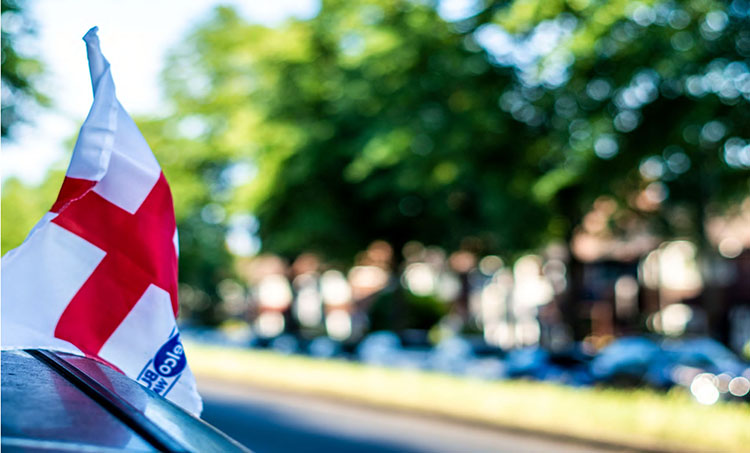
But in Birmingham, a game of political football is never far from being started – especially with such a fractured Council Chamber following the recently Local Election, with no one party taking an overall majority.
And the uncertain policial landscape stretches to Kingstanding, with a Labour MP – Paulette Hamilton, who helped secure the area’s Pride in Place funding last autumn – and two recently elected Reform UK local councillors. One of whom, Cllr John Lambert, will sit alongside Martin and Ms Hamilton on the Pride in Place Board.
“The fund is strictly non-political,” continues Martin. “From my perspective, I’m not expecting any political interference, I think we’re all agreed on that. And assuming we are, politics shouldn’t come into it.” He also points out that community members make up the majority of the Board, and a majority vote is needed to approve everything.
That’s the past and present, but what about the future – £20m could make a lot of changes to Kingstanding, and area arguably forgotten by the city in recent years. Has the Board received any funding requests yet?
“I’m afraid we’re not at that point,” he tells, citing the processes and protocols of public funding and explaining that they’re still in an “engagement phase” – finding out what people want Pride in Place to do for Kingstanding.
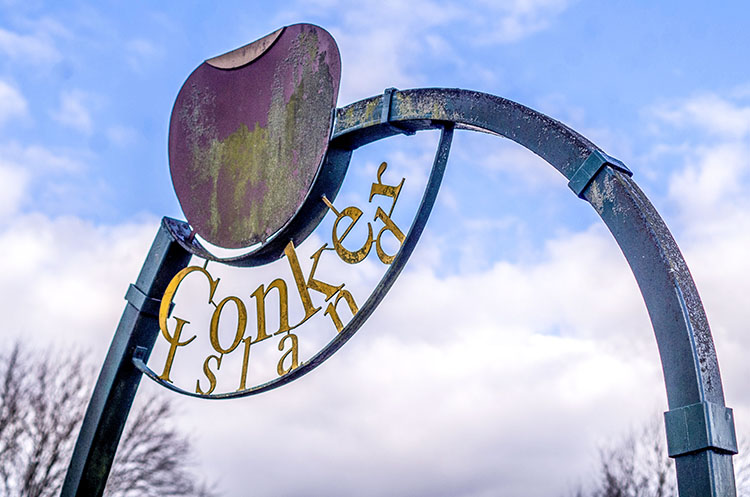
And a recent event was held at Conker Island to ask local residents just that – organised by several stakeholders, including another prominent Kingstanding charity, New Heights, and the Root to Rise Wellbeing and Community Hub.
Martin does however cite ‘Connecting People & Community Cohesion’, ‘Places and Spaces’, ‘Heathier Lives’, ‘Young People & Families’, and ‘Education, Employment and Skills’ as themes that have come up in initial consultations with members of the local community.
And when the applications do start coming through, what does he hope the fund can do for the area?
“Lasting, sustainable change,” Martin responds.
“Being blunt, most of the people I meet in Kingstanding are very positive, with energy and good ideas; they want what’s best for the people and area but for too long have felt isolated and left behind compared to other areas.
“This funding gives us a chance to address those issues.”
Kingstanding/Erdington Local will continue to cover the developments around the Kingstanding Pride in Place fund, so watch out for more about this on our pages.
For more on Birmingham Settlement visit www.birminghamsettlement.org.uk

This article was first published in the Erdington Local monthly newspaper on 18 September.
To be the first to get your LOCAL NEWS delivered through your door and support independent community journalism, SUBSCRIBE LOCAL and email for more information at: subscribe@erdingtonlocal.com