Witton Lodge Community Association (WLCA) are inviting local residents and families to Spring into Summer, as their annual community festival returns to Perry Common on Saturday 13 June.
Held between 12noon and 3pm on ‘the ring’ – the municipal circular parkland on Witton Lodge Road – the community event is free to enter, with some activities charged at only £1.
Full of family friendly fun, the summer festival will host a range of children’s games and activities – including a super slide and a bouncy castle.
Super slide at previous Spring into Summer Festival / Photograph supplied by WLCA
Special ‘learn to ride’ sessions will also be held on the paths within the parkland, teaching young people how to cycle and encouraging them to find their feet – on two wheels.
Young David Attenbououghs and Jane Goodalls will also have the chance to get up close to nature and explore the world of ‘Mini Beasts’ in the ‘Bug and Insect Corner’ – introducing children to the natural world that crawls around under their feet.
Stalls at previous Spring into Summer Festival / Photograph supplied by WLCA
Local services will also be present, offering advice and guidance to local residents – alongside a chance to explore a real life fire engine and police vehicle with members of the local police and fire service also engaging with public at the event.
Held every year, the Spring into Summer Festival is a family favourite on the Perry Common calendar – attended by hundreds of people from across the local area and beyond.
Organised by WLCA, who run the neighbouring Perry Common Community Hall, the annual event is part of a year round programme of events and support services from the Perry Common based community and housing association.
Local crafts at previous Spring into Summer Festival / Photograph supplied by WLCA
Paul Tse, Flourishing Communities Development Officer at WLCA, told: “Spring into Summer has become one of our community’s best loved traditions so it’s a great pleasure for us to be able to bring it back again for people to enjoy.
“It brings people together in a way which celebrates the wonderful community spirit we have here in Perry Common.”
He added: “As always, we are thankful for the support and hard work of our fantastic partners, St Martin’s Church, The Friends of Witton Lakes, Urban Devotion Birmingham and The Net Pentecostal Church, for helping to put the event together.”
For more on WLCA and links to their wider programme of events and services visit www.wittonlodge.org.uk
Witton Lodge Community Association is a leading partner in the Erdington Local COMMUNITY ANCHORS programme, supporting independent local and community journalism.
The head of the of the Birmingham Liberal Democrats group, Cllr Roger Harmer (Acocks Green), was voted in as Leader of Birmingham City Council at a Full Council meeting yesterday.
Convening in the Council chamber at 6pm on 5 June, all 101 councillors from across the city were invited to attend and vote for the individual they wanted to take up the top job – which brings with it a special Responsibility Allowance of £56,579 on top of the Basic Allowance granted to all councillors of £19,952.
The vote for Council leader was called after no party managed to secure a majority in the recent Local Elections held in May 2026, with no majority coalition subsequently formed.
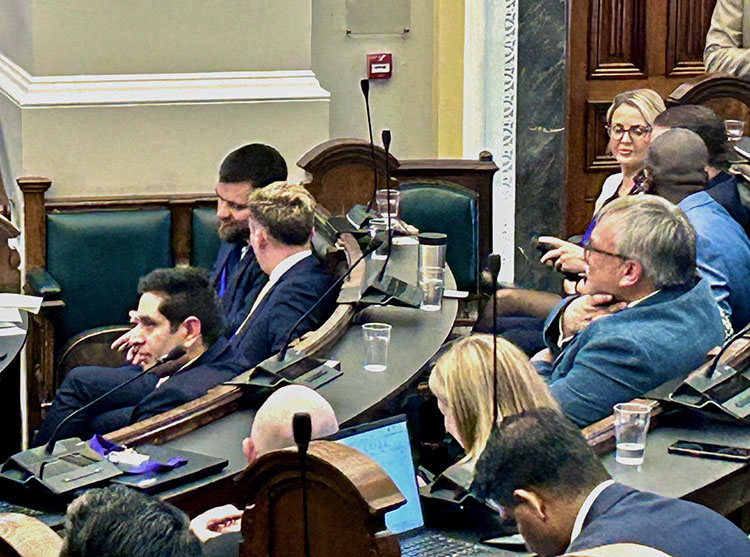
Official prepare to vote for city leader in Birmingham Council Chamber / Photograph by Ed King
Cllr Harmer was nominated by Birmingham Green Party leader, Cllr Julien Pritchard (Druids Heath & Monyhull), as part of a minority coalition between the two parties and independent councillors from the Better Birmingham Independent Group.
Also nominated, by members of their own parties, were the leader of the Birmingham Local Conservatives Cllr Robert Alden (Erdington) and the leader of the Birmingham Reform UK group Cllr Jex Parkin (Kingstanding).
Following the nominations, a 20 minute recess was taken before the three candidates were allowed five minutes to address the chamber and deliver a speech as to why they would be right person to form a Cabinet and lead the city’s elected officials.
Cllr Roger Harmer addresses chamber ahead of vote for city leader / Photograph by Ed King
Speaking in the order they were nominated, Cllr Harmer was the first to address the chamber, presenting a “coalition built on partnership” and asking those present to allow him to establish a Cabinet that would “put right the failures of the past” – seemingly referring to the 14 year long Labour run administration which ended with the city effectively declaring bankruptcy and an unresolved bin strike.
Addressing the city’s elected official next was Cllr Robert Alden, who began by declaring Birmingham “the greatest city in the world” before reminding the room and those hoping to govern that “just blaming the failures of the last 14 years will not be accepted” by the city’s residents.
Cllr Robert Alden addresses chamber ahead of vote for city leader / Photograph by Ed King
Cllr Alden further warned against the “frankly geographical [political] spilt across the city” following the recently Council elections, which saw concentrations of elected councillor from both political parties and independents in certain areas of Birmingham.
“None of us have a majority,” added Cllr Alden, “and no one over the next four years [until the next Council elections] should forget that.”
Cllr Alden’s speech received applause from across the Birmingham Council Chamber.
Last to address the room was the recently appointed head of Birmingham’s Reform UK group, Cllr Jex Parkin, who leads the lion’s share of Birmingham’s elected officials – overseeing 23 councillors, four more than Birmingham’s Green Party which sits as the second political group in the city.
Cllr Jex Park sits with Birmingham Reform councillors in Birmingham Council Chamber ahead of vote for city leader / Photograph by Ed King
After describing how Birmingham is still “deciding how we interpret on of the most significant results”, which also saw the Birmingham Labour Party lose 48 councillors, Cllr Parkin called for “co-operation across all political boarders” and warned against a “chaotic coalition of musical chairs.”
Leader of both the largest and newest political party in the city, Cllr Parkin closed his argument by listing the attributes that Birmingham Reform councillors could bring to their potential governorship of the city, and declaring “life experience beats political experience each and every time.”
Councillors present were then asked to voice their votes for the Council Leader, a process which had been postponed after the previous Full Council meeting in May ran out of time due to the inauguration of the new Lord Mayor Zaker Choudhry.
After the results were counted, Cllr Roger Harmer won with a clear majority of 40 votes – against 19 votes for Cllr Robert Alden and 18 votes for Cllr Jex Parkin.
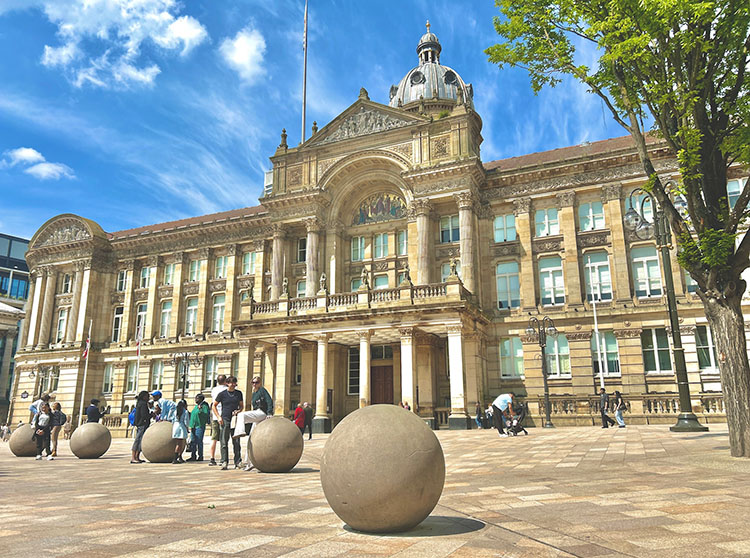
Birmingham City Council House, as viewed behind Heras fencing / Photgraph by Ed King
Analysis of the results showed that the Liberal Democrats and Green Party has used their party whips effectively, retaining support from all their elected officials – alongside those from the Better Birmingham Independent Group.
The Birmingham Local Conservatives group also received votes from all its 16 councillors, alongside additional support from independents Cllr Amar Khan (Stockland Green) and Rinkal Shergill (Holyhead).
Birmingham’s Reform UK party however only received 18 votes from its body of 23 councillors, with their recently elected Kingstanding Councillor Graham Green absent from the meeting.
Of the last two remaining Labour councillors in the Erdington constituency, Cllr Ray Goodwin (Castle Vale) abstained and Cllr Mick Brown (Gravelly Hill) was absent.
Greater Manchester Mayor Andy Burnham also received one vote, although it was not officially counted in the final results.
Elderflower Care Home are inviting families and potential residents to have a first look at their new facility on Orphanage Road in a special ‘Open weekend’ this weekend.
Guided tours of the grounds and facilities will be held between 10am and 4pm on Saturday 6 and Sunday 7 June, with no obligations or costs attached.
Visiting members of the public also invited to join enjoy complimentary refreshments during their tour, including freshly baked cakes by Elderflower’s own chef.
Click here to make a booking to view the facility over the ‘Open weekend’, or contact Elderflower Grange directly by calling (0121) 756 8225 or emailing: [email protected]
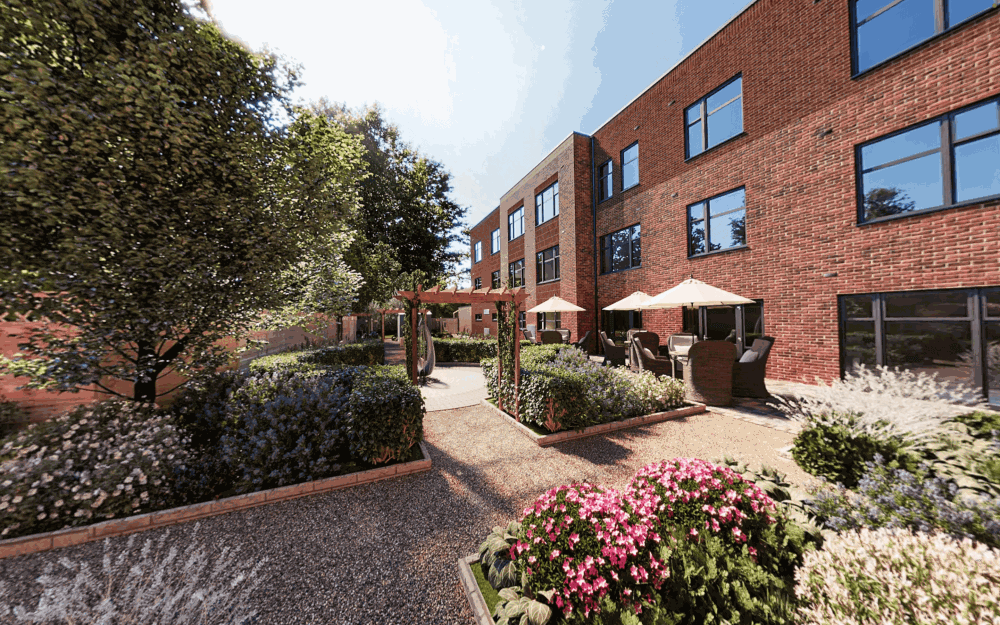
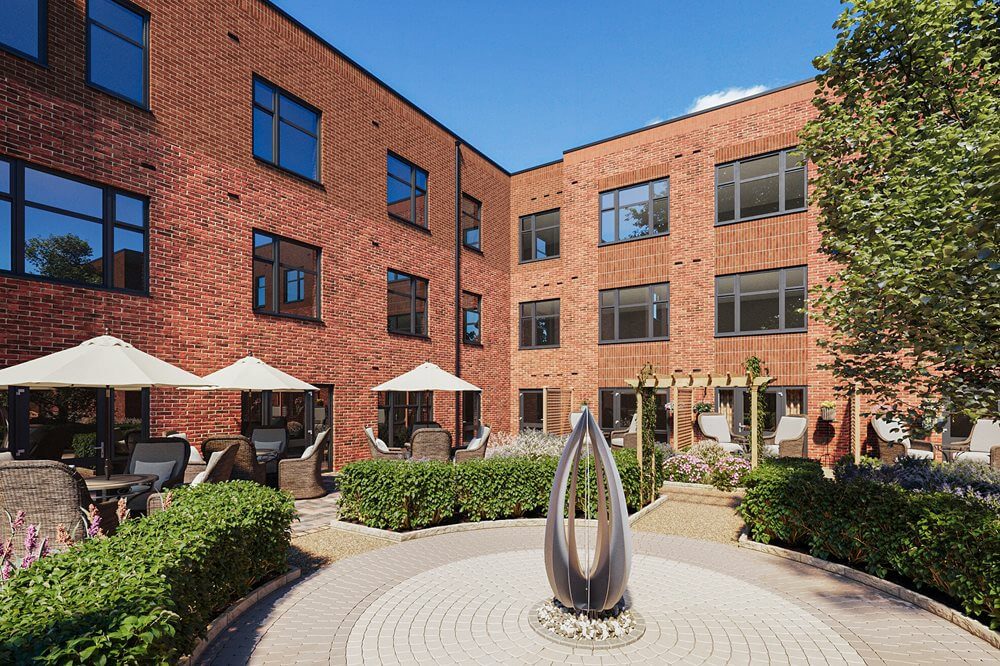
Landscaped gardens at Elderflower Grange care home on Orphanage Road / Image suppiled by Care UK
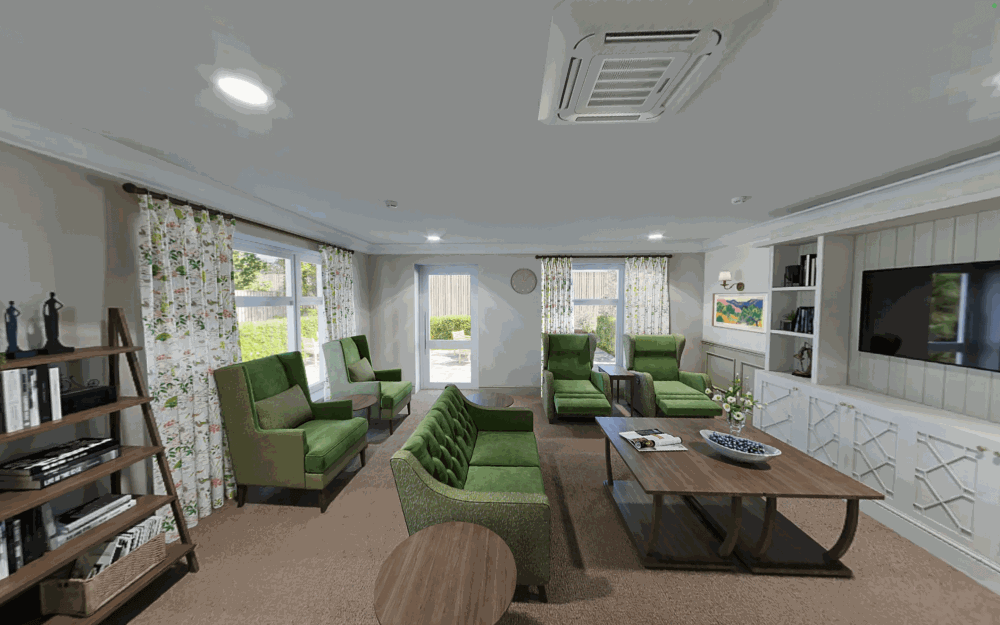
Recently opened, the new 77 bedroom care home sits amongst landscaped surroundings and has its own onsite accessible bar, restaurant, cinema room, hair salon, multi faith room, music room, and a special reminiscence room.
Operated by the award winning Care UK, Elderflower Grange is the newest facility in the region from the longstanding care home provider – which also operates Bishop’s Manor and Mercia Grange in neighbouring Sutton Coldfield, both boasting a ‘Good’ rating from the Care Quality Commission (CQC).
A spokesperson for Elderflower Care Home told: “Elderflower Grange is a brand new, purpose-built care home in Erdington. Our dedicated and experienced team will provide a full range of care services with the flexibility to meet every need.”
Cafe at Elderflower Grange care home on Orphanage Road / Image suppiled by Care UK
They added: “We pride ourselves on the transparency of our care quality and fee information – ensuring you can trust us to care from that very first step.”
Situated at 86 Orphanage Rd, Erdington, Elderflower Care Home offers residential care for over 65s – alongside extra special care for people living with dementia and Alzheimer’s Disease.
The facility also offers respite and convalescence care, for short term stays and supporting people coming out of hospital, as well as palliative and end of life care.
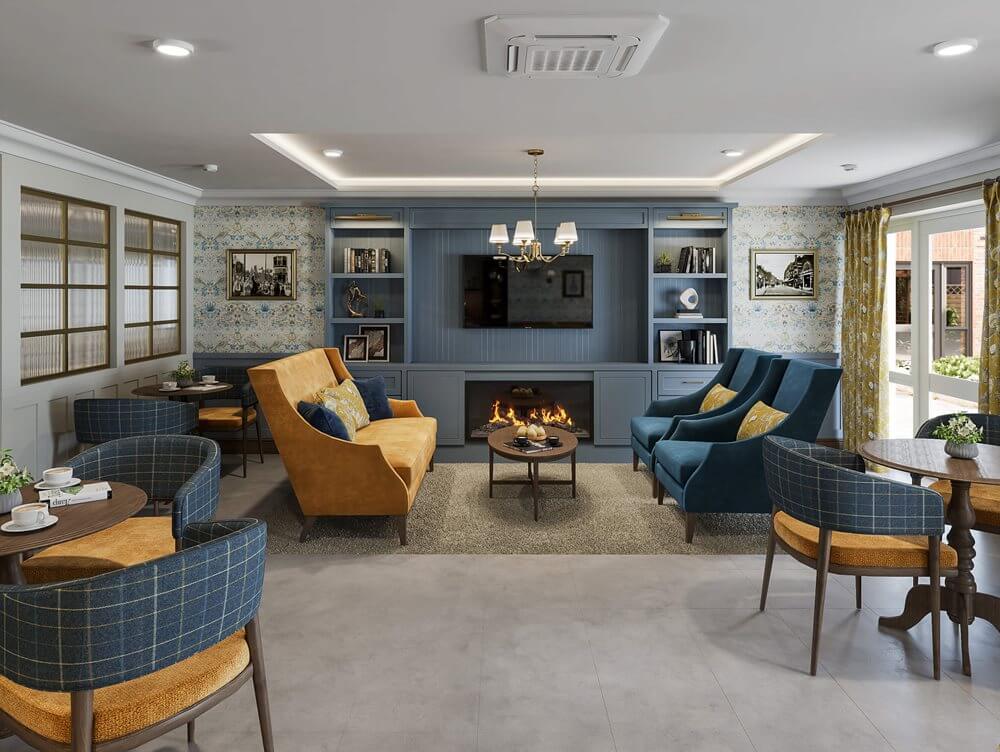
Lounge area at Elderflower Grange care home on Orphanage Road / Image suppiled by Care UK
Elderflower Care Home is operated by Care UK, which started out as Anglia Secure Homes in 1982 and changed its name to Care UK in 1994. One of the largest housing and residential care providers in the country, Care UK run over 160 care home across the UK – including
In 2025, Care UK was recognised by winning over 30 industry awards both nationally and regionally, including ‘Care Home Group (Large)’ at the 2025 National Care Awards for the second year running.
Landscaped gardens at Elderflower Grange care home on Orphanage Road / Image suppiled by Care UK
The organisation was also the winner of both the Nursing Times and Caring UK awards in 2023, and was recognised by the Care Home Awards ‘gold winner’ in their ‘Outstanding Larger Group Care Provider’ category.
Elderflower Grange will further be celebrating their official launch event on Thursday 2 July, with local legend and Aston Villa football star Tony Morely as the event’s special guest.
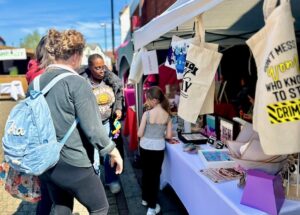
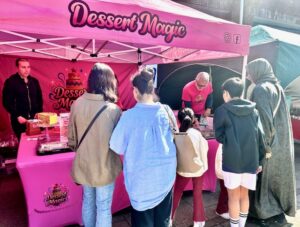
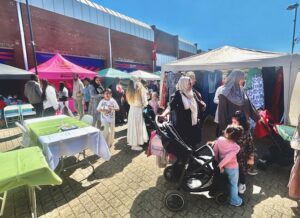
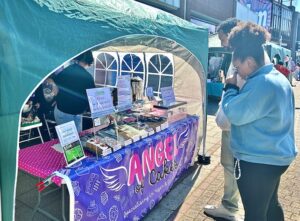
Erdington High Street Community Market returns to the Town Centre on Saturday 30 May – celebrating its fourth event, taking place on the last Saturday of every month.
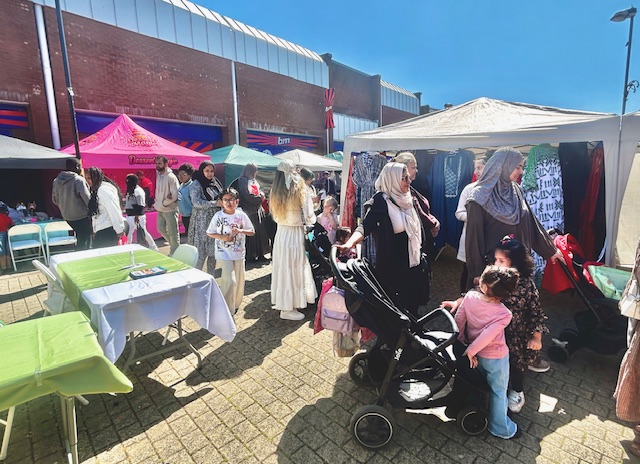
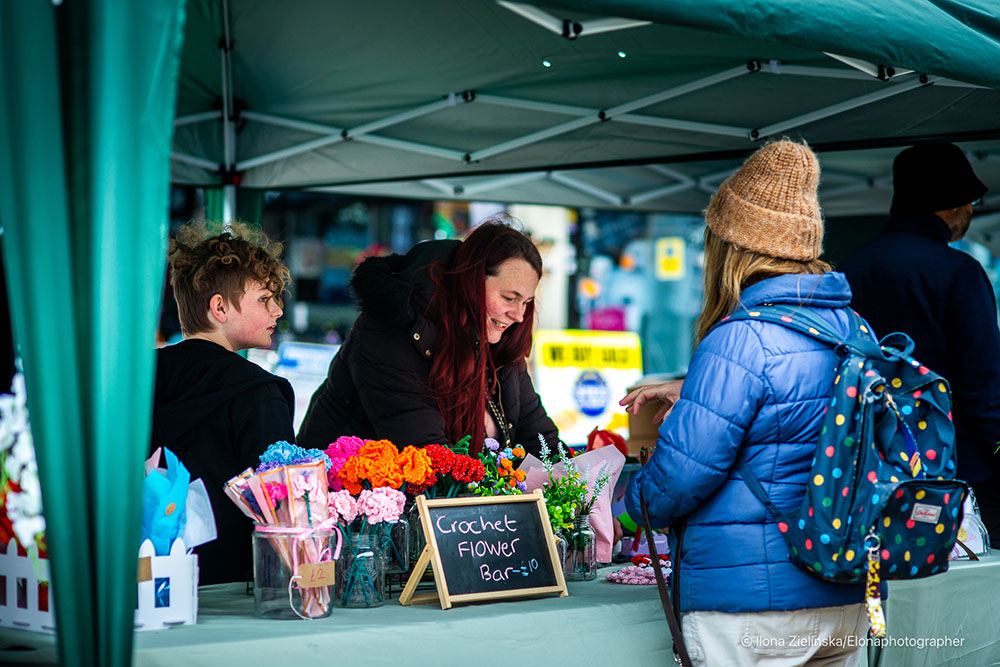
Held on the pedestrianised area in between Wilton Indoor Market and B&M Superstore, the event will run from 10am to 4pm – with a range of stalls selling arts, crafts, toys, clothes, and homemade treats from local traders and crafters.
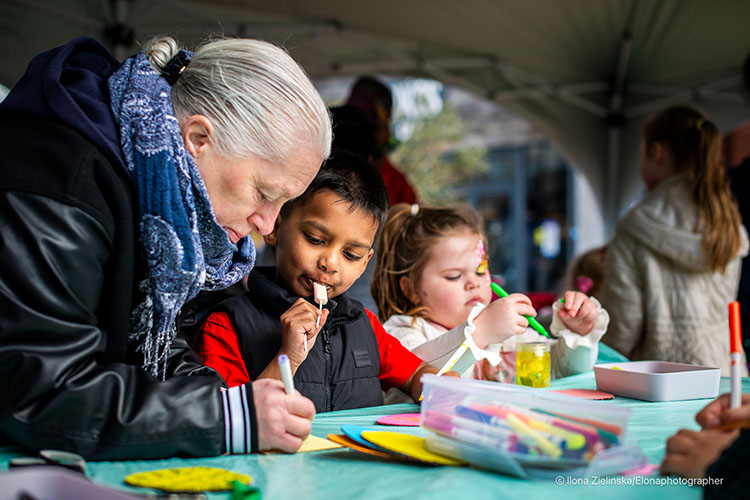
There will also be a variety of free children’s fun and games at the Erdington Market, including a bouncy castle, face painting, temporary face tattoos, and two arts and crafts stands – with one even offering a peaceful time out for adults, from local community group Arts All Over the Place.
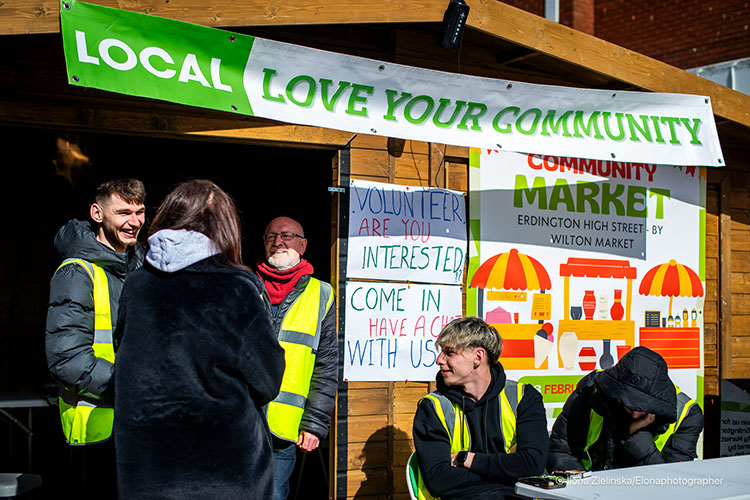
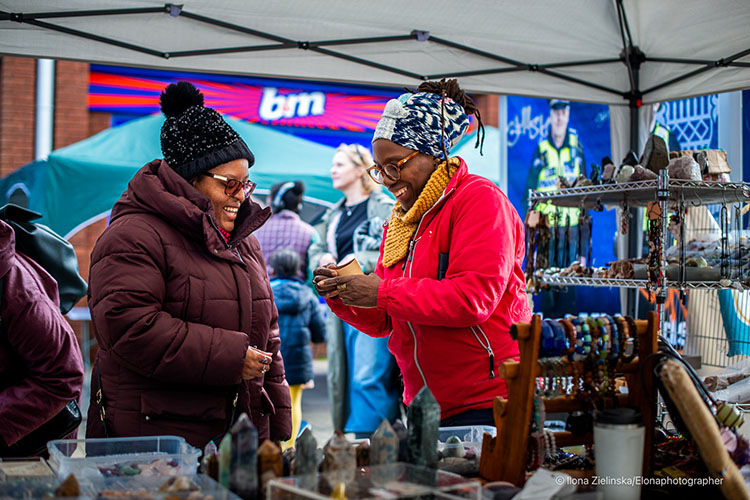
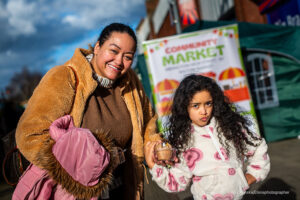
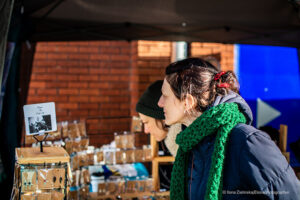
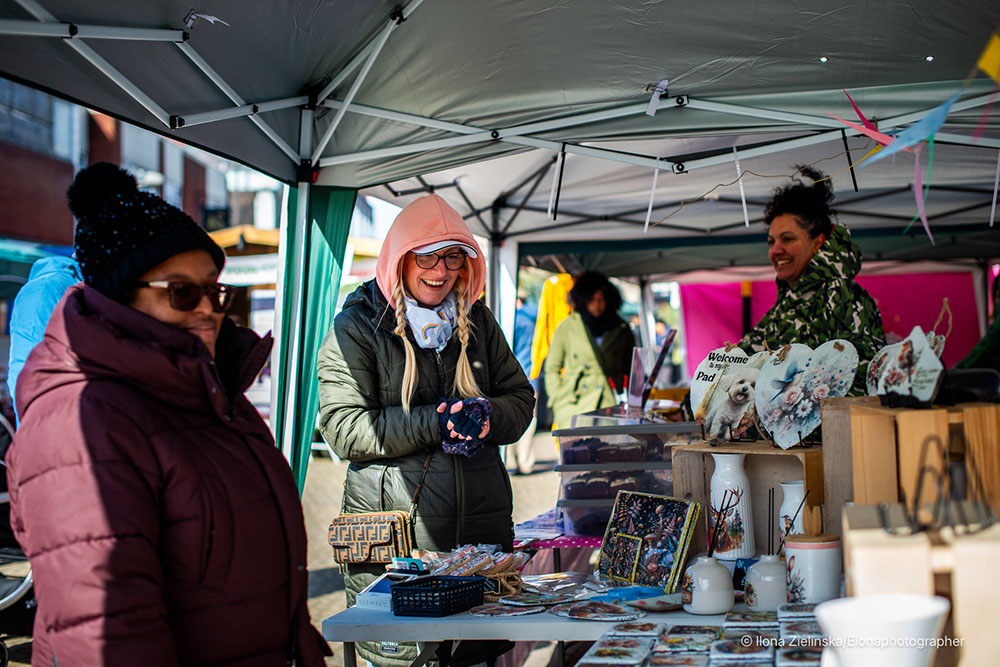
Erdington High Street Community Market / Photograph by Ilona Zielinska
The LOVE YOUR LOCAL COMMUNITY hub will also be offering some free soft drinks and water bottles, whilst talking to those attending about some exciting new events and activities coming to Erdington High Street later this year.
Completely free to attend, there is no charge to attend the Erdington High Steet Community Market or for any of the activities on offer.
The Community Markets are organised by the Erdington Business Improvement District (BID), as part of their ongoing LOVE YOUR LOCAL COMMUNITY campaign – with support from Birmingham City Council and the West Midlands Combined Authority through the Shared Prosperity Fund and Mayor’s Market Fund.
Erdington High Street Community Market / Photograph by Ed King
A spokesperson for Erdington BID told: “We launched the Erdington High Street Community Markets in February this year, and the events have been absolutely fantastic – with some really unique and creative stall holders, all from in and around Erdington.
“They are a lot of fun, for both adults and children, and a really wonderful way of the Erdington community to come together and enjoy and afternoon on the High Street.”
Erdington High Street Community Market / Photograph by Ed King
They added: “This month, in May, we’ve got a few more stall coming along – as the Community Market is picking up interest from new traders and people looking to try their hand at a pop up stall.
“The market is growing, and we would love to welcome more people down to the High Street to have a browse and a bite to eat and join us in celebrating our fantastic Erdington community. See you on the High Street this Saturday [30 May].”
Erdingotn High Street Community Market / Photograph by Ed King
Taking place on the last Saturday on each month, the Erdington High Street Community Markets launched in February 2026 and has seen hundreds of people enjoy an afternoon in Erdington Town Centre.
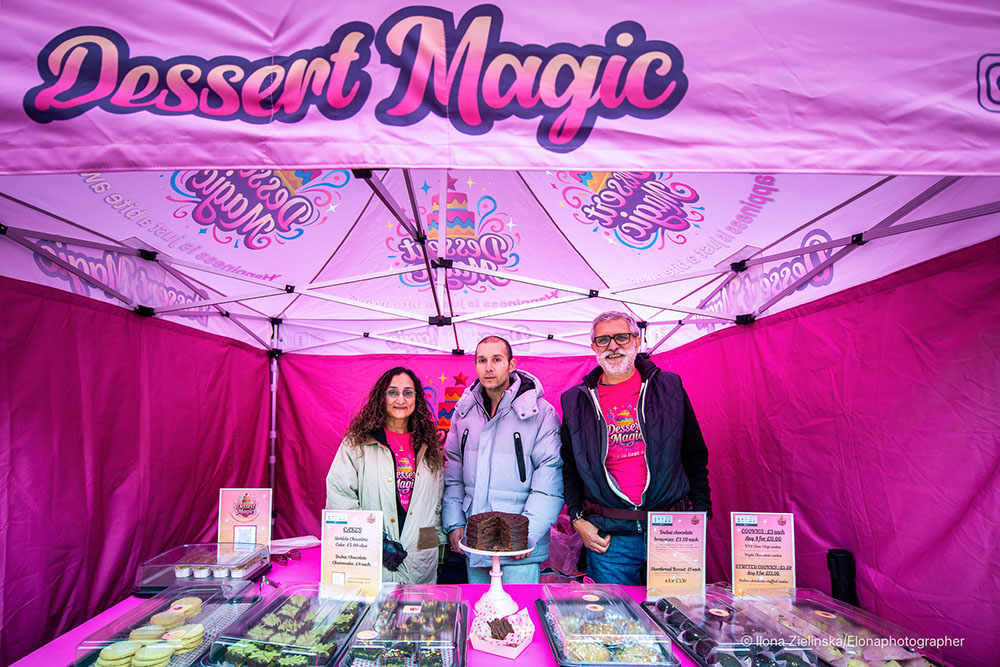
Regular stall holders are joined each month by new traders, selling unique gifts, local crafts, original artwork, and mouthwatering cakes, desserts, and home recipes that you won’t find anywhere else.
Erdington High Street Community Market / Photograph by Ed King
Check out our picture gallery below, showing some of the highlights from previous Erdington High Street Community Markets.
The Erdington High Street Community Markets are run as part of the Erdington BID’s LOVE YOUR LOCAL COMMUNITY campaign, to welcome local people and visitors into Erdington Town Centre.
LOVE YOUR LOCAL COMMUNITY presented a series of community events across 2025, including three ‘Summer Fun Days’ from June to August and three ‘Winter Warmer’ events throughout December.
Erdington High Street Community Market / Photograph by Ilona Zielinska
The LOVE YOUR LOCAL COMMUNITY campaign is also building a group of local volunteers, to help support events and work on other activities that support Erdington Town Centre – such as community litter picks, gardening, and outreach work with local care homes and residential centre.
Anyone interested in volunteering through the LOVE YOUR LOCAL COMMUNITY campaign, or information about the wider events and activities being delivered though the Erdington BID, should email: [email protected]
PICTURE GALLERY: Erdington High Street Community Markets / Photographs by Ilona Zielinska and Ed King
Residents at Phoenix Court on Yatesbury Avenue, Castle Vale, have started a petition calling for extra security in their building – following concerns regarding a tenant who has been charged with firearm and weapon related offences, and who is currently registered as living in the over 55’s housing complex.
The tenant in question is being processed through the Birmingham courts for a list of offences relating to threatening behaviour, firearms and weapons.
According to the court listing, they are facing the following charges: threat to damage / destroy property, [possession of] a firearm without a certificate, [possession of] an offensive weapon in [a] private place.
It is further believed that threats to endanger life were made by the tenant towards at least one staff member at Phoenix Court.
Sign outside Birmingham Crown Court (Photograph by Ed King)
As part of their initial bail conditions, the tenant facing the charges was reportedly blocked from entering municipal areas at Phoenix Court or entering the building unsupervised.
However, according to other residents at Phoenix Court the problem tenant has been tailgating people entering the housing complex and bypassing the front door security locks.
After raising concerns over safety at a recent meeting with the estate management team, worried residents are now circulating a petition asking The Pioneer Group, who own and operate Phoenix Court, to “arrange for a security person in the front entrance… until [the tenant is] incarcerated or evicted from [their] flat.”
Police tape cordoning off road (photograph by Ed King)
The tenant identified in the petition has previously been at the centre of various disturbances, including a dramatic armed police response in June 2022 after it was believed they then too had a firearm – where other Phoenix Court residents were held under “siege” whilst the police cordoned off the housing complex and made their arrest.
One resident told Castle Vale Local: “After that siege, four years ago, [they] shouldn’t have been allowed back in here – a block full of vulnerable people.”
They added: “You don’t know what [they] can be capable of, [they] threatened to blow [a staff member] in [their] car.”
British armed police officer (Photograph taken from Adobe Stock Images)
Owned and managed by The Pioneer Group, Castle Vale’s largest social Housing landlord, Phoenix Court houses around 60 elderly residents – encouraging independent living and community, within a supported accommodation setting.
The Route2Wellbeing website describes Phoenix Court as “a personalised approach supporting the wellbeing of older people by promoting independence through the development of friendships, reducing isolation and offering a wide range of activities and opportunities that promote wellbeing and increased quality of life.”
After receiving the petition from Phoenix Court residents, on Friday 22 May a spokesperson for The Pioneer Group told Castle Vale Local: “We are aware of an ongoing issue involving a tenant at Phoenix Court.
“We are working closely with tenants to ensure the building remains safe and are taking the appropriate course of action to address the situation.”
They added: “As an added reassurance, we have arranged for a security guard to be present during the evenings over [the Bank Holiday] weekend. We also have CCTV in place both internally and externally, with our teams actively monitoring and reporting any sightings.
“We have been in contact with the police, who have reassured us that they will carry out additional internal patrols.”
Residents confirmed a security guard was present over the Bank Holiday Weekend, but at the time of writing has not returned to the front entrance of Phoenix Court.
Castle Vale Local has further reached out to The Pioneer Group about potential cost implications over additional security and the housing provider’s eviction policies and process.
The tenant facing charges is scheduled to reappear in court in June.
Castle Vale Local will continue to follow the story.
Erdington’s MP Paulette Hamilton has called for Sir Keir Starmer to step down as Labour Party leader, telling the BBC’s Sarah Montague “we need change” in an interview on Radio 4’s World at One programme.
Appearing on Monday 11 May, a few days after Labour suffered drastic loses in the recent Council elections – and where Reform UK and independent candidates took eight of the twelve local seats across the Erdington constituency – Ms Hamilton told the broadcaster there was a need for an “orderly transition” of power at the top of the Labour Party.
“At the moment, people are burying their heads in the sand,” added Ms Hamilton, before describing how over the last year and a half “I have seen where we are, people are just not listening. They do not trust anything [Labour] have to say.”
Promotional poster for BBC Four’s World at One with Sarah Montague
“They’re telling you, ‘I have voted Labour all my life but I am not voting for Keir Starmer,’” she continued, “if you know the Brummie way of doing things, [the general public] have made it clear they are not voting for Keir Starmer.”
Earlier in the interview, Ms Hamilton had outlined the threat she believes is being faced by the Labour Party over issues with its leadership, stating: “I am telling people today, unless we wake up smell the roses we may as well hand the keys of Number 10 over to Reform in the next couple of years.”
This was highlighted in a recent and razor thin battle for the Stockland Green Ward, where the Labour candidate Derek Douglas lost to Reform UK’s Mansoor Butt by only one vote.
At the official count, Mr Douglas told Erdington Local he felt the loss was a direct result of negative feelings towards the national party.
Reform’s Mansoor Butt in an empty Utilita Arena after Stockland Green recount / Photograph by Ed King
The Erdington MP’s strong words today mirror a campaign spearheaded by Catherine West MP (Hornsey and Friern Barnet, Labour) to oust the Labour leader and establish a fresh face in Number 10 ahead of the next General Election.
At the time of writing, over 50 MPs across the UK have backed the call for a leadership challenge – with Sir Starmer making an impassioned speech to buoy support from his backbenchers and Cabinet, highlighting plans to potentially nationalise British Steel, and provide better opportunities for young people.
The Labour Leader was also clear on his plans to “[rebuild] our relationship with Europe” and put “Britain at the heart of Europe” – which many see as paving the way for a potential re-entry to the European Union.
Ms Hamilton MP also referenced this in her Radio 4 interview, stating she “was for Europe” and was “happy with what [Keir Starmer] said” in his speech, but that people in Erdington were contacting her constituency office the Labour leader’s stance.
“I’m telling you, residents have already started writing to me telling me they don’t like it,” Ms Hamilton told the BBC. “That’s the point. At the moment I’m starting to get mail into my office saying, ‘why has he (Kier Starmer) come out with that?’”
Paulette Hamilton and Keir Starmer in Erdington during by-election camapign in 2022 / Photograph from Erdington Local archives
Erdington Local reached out to Paulette Hamilton’s office for further comment on the issues over Europe and the EU and received the following statement from the Erdington MP:
“I campaigned to remain, but Britain voted to leave. That’s democracy. Residents have told me on the doorstep and by email that we voted to leave, and they’re right.
“A good relationship with Europe is important, but the ‘new direction’ won’t put us back to where we were in the EU.”
At the recent Council elections, Reform UK candidates won both seats in both Oscott and Kingstanding, and one of the two seats up for grabs in Stockland Green – with the other going to incumbent independent Amar Khan. Reform also one the single seats contested in Pype Hayes and Perry Common.
Elsewhere, Labour incumbents retained their seats in Gravelly Hill and Castle Vale – with the Local Conservatives also holding onto their two seats in the Erdington Ward.
Birmingham’s Local Conservatives have published an ambitious plan they claim would see the “transformation” of Erdington High Street if they win a majority in the upcoming Council elections on 7 May.
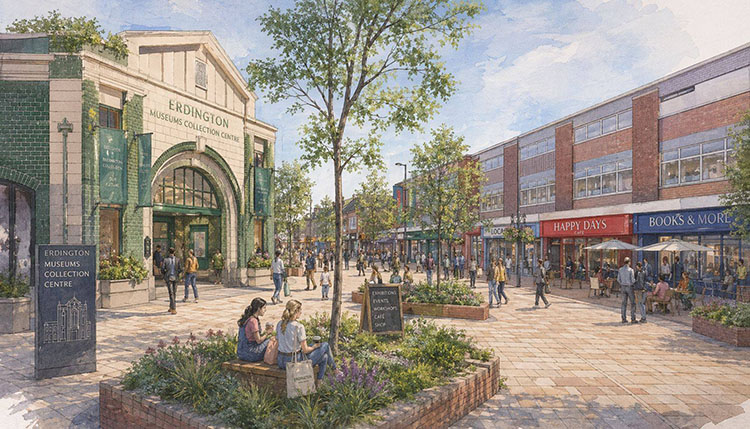
The proposal is to relocate the Birmingham Museum Collections Centre, currently in Nechells, to nearby Six Ways Island, and to open up the storage centre of rare antiquities to the general public as a tourist attraction.
Birmingham Museum Collections Centre houses 80% of Birmingham Museum Trust’s stored collections, featuring everything from exotic animals and old steam engines to ancient sculptures, tools and weapons.
The huge archive, akin to the closing scenes in Raiders of the Lost Ark, totals to ‘around a million items – many offering a real insight into life in Birmingham and the West Midlands over the centuries’, according to the Museum Collection Centre’s website.
AI generated image of byzantine artifacts preserved inside museum / Image from Adobe Stock Images
This drastic development would help “unleash Erdington’s full potential” and encourage outside investment into the area – according to Erdington Ward Councillor Robert Alden, who is also Leader of the Birmingham Local Conservatives group.
Erdington has a rich history of Birmingham luminaries that helped shape both the county and city, including William Wilberforce, Josiah Mason, Thomas Holte, and Sir Benjamin Stone.
The High Street also houses the two century old St Barnabas Church, a Carnagie built library, and was once the location for globally recognised music venue Mothers – which showcased rock legends such as Black Sabbath, The Who, and Led Zeppelin.
Looking up Erdington High Street from St Barnabas Church to Six Ways Island / Photograph by Ed King
Cllr Alden added: “The High Street has been neglected for a number of years and what we constantly get on the doorstep are local residents saying they want to see the High Street returned to how it used to be.
“The idea of this plan is to bring in somewhere where people will spend their time – so increasing dwell time – and would help a café/restaurant culture develop on the High Street, as you’d have more people around.”
When quizzed about the potential damage such a large scale development would have on the existing retail community – which is a mix of national brands including Dixons and Peacocks and independent convenience stores and take aways, Cllr Alden was clear about his party’s vision for Erdington High Street.
Sign at the entrance to Erdington High Street by Six Ways Island / Photograph by Ed King
“The idea of this is those businesses that provide a useful service to the area we would try and relocate elsewhere on the High Street,” told Cllr Alden.
“But frankly, those businesses which are a drain on the local area we would look to be getting rid of as part of this.”
He added: “What we want to see is a step change in transformation, bringing back a High Street that is a vibrant place that people want to take their families and hopefully resolve those long term anti-social behaviour issues.”
The plan to relocate Birmingham Museum Collections Centre was published in a 20 page manifesto outlining how the Local Conservatives group would “clean up” everything from housing to transport across the city, if they took control of the Council after the local elections on 7 May.
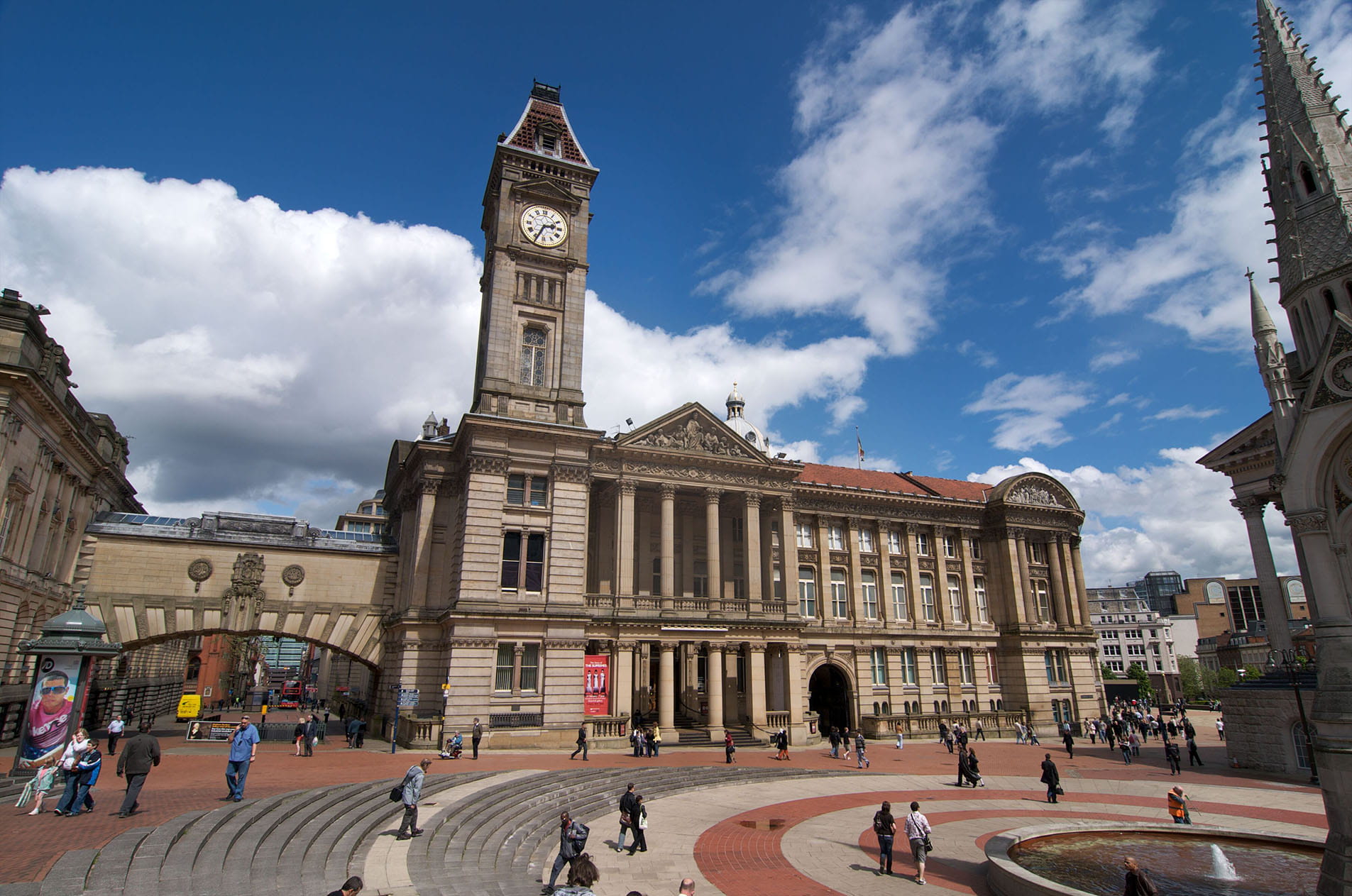
Birmingham Museum and Art Gallery in Birmingham City Centre / Photograph supplied by Birmingham Museums Trust
In a section outlining their plans for ‘Culture & Heritage’ across Birmingham, the Local Conservatives list a 22 projects and proposals they would drive forward if elected as Council leaders.
These include supporting St Partrick Day and St George’s Day celebrations across the city, developing an “Armed Forces Community Garden” and “veterans’ village”, and promoting the city’s musical lineage through the global UNESCO heritage sites network.
The document also clarifies the Local Conservatives’ position on the promulgation of Union Flags and St George’s Cross flags, following a series of unauthorised campaigns that have attached the flags to street furniture across the city.
The manifesto states: “British and English flags are a unifying force, celebrating our shared heritage, culture and history. We would fly our national flags and City Coat of Arms from all Council buildings. Where communities would like [we would] install formal displays of our national flags.”
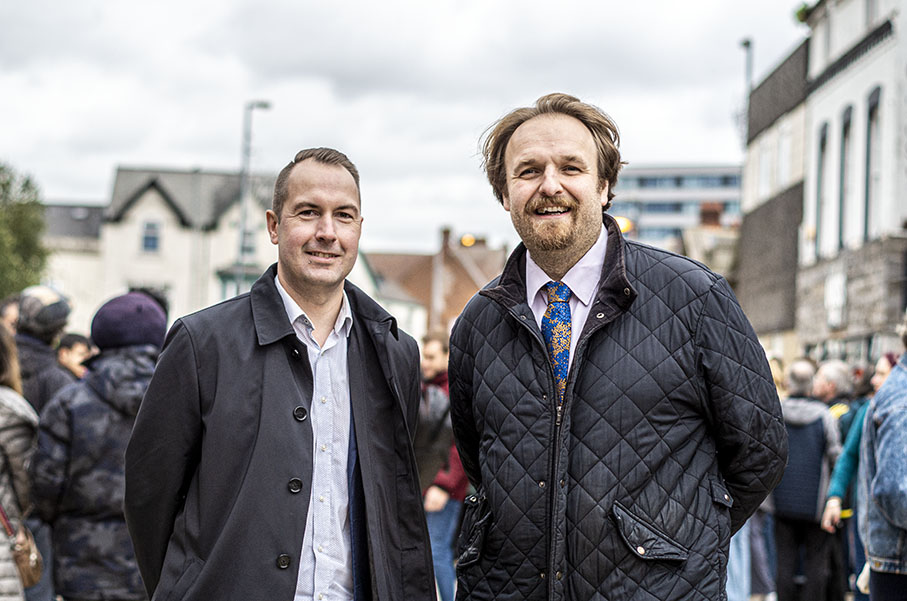
(l-r) Cllr Gareth Moore and Cllr Robert Alden on Erdington High Street / Photograph by Ed King
When speaking to Erdington Local, Cllr Alden also highlighted the Local Conservatives plans to increase high street security networks, support Business Improvement Districts, and “to reconvert exempt accommodation back into family homes” across the city.
Councillor Robert Alden is seeking re-election as Erdington Ward’s representative on 7 May – alongside his Conservative running mate Councillor Gareth Moore.
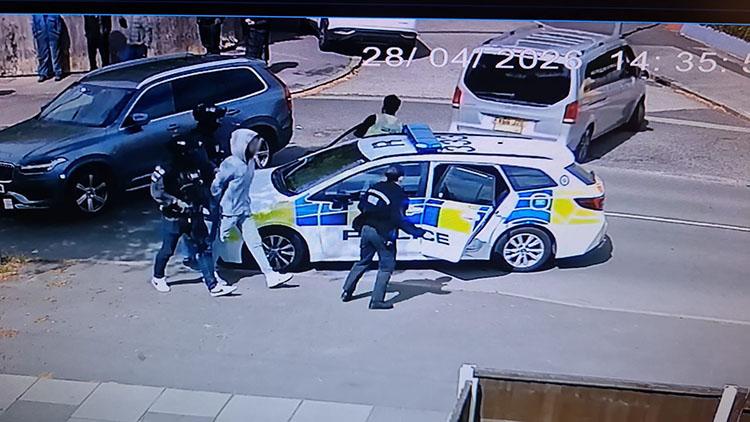
Police respond to incident on Short Heath Road, Erdington / Image taken from Ring Doorbell
Words by Ed King
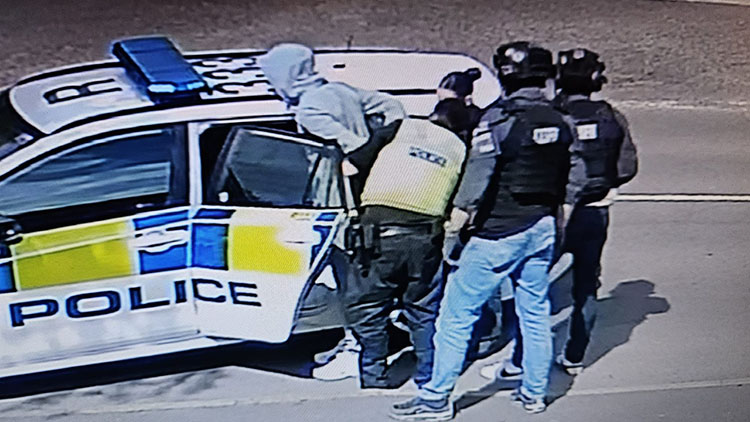
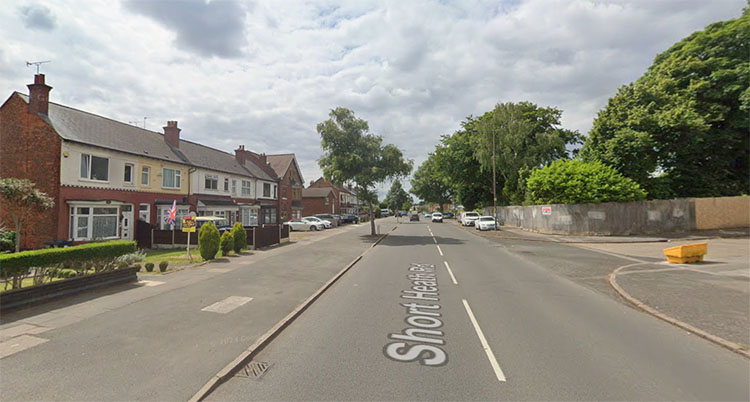
A man apprehended on Short Heath Road yesterday (28.04.26) over concerns related to firearms and intent to cause violence has been released by police and will face “no further action”.
Following dramatic scenes in the Erdington suburb, and a swift response from West Midlands Police, a man in his twenties was taken into custody after unmarked cars blocked off Short Heath Road.
The road remained blocked whilst officers gave chase to the suspect, with traffic halted and members of the public redirected away from the incident.
Local residents watched as the suspect was taken from a nearby residence, put into handcuffs and into the back of a marked police car.
Police respond to incident on Short Heath Road, Erdington / Image taken from Ring Doorbell
Taking no chances, officers responded with significant force and speed to close down what could have been a potentially dangerous situation – after following up reports made to police earlier in the day.
But after robust action and investigation, West Midlands Police questioned and released the individual, with members of the public assured there are no continuing threats from the incident.
A spokesperson from West Midlands Police told Erdington Local: “We arrested a 24-year-old man on Short Heath Road on suspicion of possession of a firearm with intent to cause fear of violence at around 3pm yesterday.
“It followed an incident earlier in the day, also on Short Heath Road, when another man reported that he had been threatened and hit with a firearm.”
They added: “After a number of enquiries were carried out, the suspect was released and will face no further action.”
Short Heath Road / Image from Google Maps
The dramatic daylight police action is part of a wider effort to crush crime around the Erdington constituency, in a combined effort from police and partners – following the return of Operation Fearless officers to the area in March and April.
Recently appointed Sargeant Millard, who oversees the neighbourhood police team, has been upping uniformed presence on Erdington High Street and surrounding hotspots.
The area is further also supported by two Designated Neighbourhood Officers, with a long connection to Erdington and significant local knowledge.
Inspector Hayley Thompson, who has been in post covering both Erdington and Sutton Coldfield since the end of summer last year, will be moving on – with a new inspector currently being recruited to support the local neighbourhood team and continue the impact made by Operation Fearless.
Get down to the Erdington High Street Community Market on Saturday 25 April and win a free £10 voucher to spend at any of the stalls.
All you have to do is register your name and an email address before 12noon at the LOVE YOUR LOCAL COMMUNITY information hut – then 10 lucky winners will be pulled out of the hat at 12:30pm.
Vouchers will then be issued, which can be exchanged at any of the stalls for good up to the value of £10.
Stalls will be trading from 10am to 4pm, and entries can be made from 10am – one per person, with no age limit to take part.
Vouchers can only be exchanged for goods being sold at Erdington High Street Community Market on 25 April, with no change given.
Organised by the Erdington Business Improvement District (BID), the Erdington High Street Community Markets are held on the last Saturday of every month – located on the pedestrianised area in between Wilton Indoor Market and B&M Superstore.
The events are run as part of the Erdington BID’s LOVE YOUR LOCAL COMMUNITY campaign, to welcome local people and visitors into Erdington Town Centre – with support from Birmingham City Council and the West Midlands Combined Authority, through the Shared Prosperity Fund and Mayor’s Market Fund.
A spokesperson for Erdington BID told: “There are some really wonderful crafts, gifts, and homemade treats on sale at the Erdington High Street Community Markets – and loads you can buy for £10 or under.
“Our £10 voucher giveaway is a fun way of helping people come down, have a bite and a browse through the stalls, and help support local traders.”
Local stall holder at Erdington High Street Community Market on 28 March ’26 / Photograph by Ilona Zielinska
They added: “It’s a really fun afternoon at the Erdington High Street Community Markets, and wonderful to see so many people enjoying an afternoon in Erdington Town Centre.
“So come and join us on Saturday and help us champion the LOVE YOUR LOCAL COMMUNITY campaign.”
The Erdington High Street Community Market on 25 April will run from 10am to 4pm – with a range of stalls selling local arts, crafts, toys, clothes, and homemade treats.
The Erdington Lunar Society will also have a stall, offering information on the guest speakers and talks the local group regularly organise – alongside their campaign to save Erdington Library.
Running on the last Saturday of every month, regular stall holders are joined each month by new traders, selling unique gifts, local crafts, original artwork, and mouthwatering cakes, desserts, and home recipes that you won’t find anywhere else.
Arts and crafts session at Erdington High Street Community Market / Photograph by Ilona Zielinska
Check out our picture galleries from the February and March Erdington High Street Community Markets below.
Completely free to attend, the family friendly event will also host a variety of fun and games for young people, including a free bouncy castle and face painting tent.
As well as organising the Erdington High Street Community Markets, the LOVE YOUR LOCAL COMMUNITY presented a series of community events across 2025 – including ‘Summer Fun Days’ from June to August and ‘Winter Warmer’ events throughout December.
LOVE YOUR LOCAL COMMUNITY stickers on display at information hut / Photograph by Ed King
The LOVE YOUR LOCAL COMMUNITY campaign is also building a group of local volunteers, to help support events and work on other activities that support Erdington Town Centre – such as community litter picks, gardening, and outreach work with local care homes and residential centre.
Anyone interested in volunteering through the LOVE YOUR LOCAL COMMUNITY campaign, or information about the wider events and activities being delivered though the Erdington BID, should email: [email protected]
PICTURE GALLERY: Erdington High Street Community Market on 28 March / Photography by Ilona Zielinska
PICTURE GALLERY: Erdington High Street Community Market on 28 February / Photography by Ilona Zielinska
Erdington High Street Community Market returns to the Town Centre on Saturday 25 April.
Held on the pedestrianised area in between Wilton Indoor Market and B&M Superstore, the event will run from 10am to 4pm – with a range of stalls selling local arts, crafts, toys, clothes, and homemade treats.
Taking place on the last Saturday on each month, the Erdington High Street Community Markets launched in February this year and has seen hundreds of people enjoy an afternoon in Erdington Town Centre.
Local stall holder at Erdington High Street Community Market on 28 March ’26 / Photograph by Ilona Zielinska
Regular stall holders are joined each month by new traders, selling unique gifts, local crafts, original artwork, and mouthwatering cakes, desserts, and home recipes that you won’t find anywhere else.
Check out our picture galleries from the February and March Erdington High Street Community Markets below.
Completely free to attend, the family friendly event will also host a variety of fun and games for young people, including a free bouncy castle and face painting tent.
Local stall holder at Erdington High Street Community Market on 28 March ’26 / Photograph by Ilona Zielinska
There is no charge for any of the activities, as organised by the Erdington Business Improvement District (BID) – with support from Birmingham City Council and the West Midlands Combined Authority, through the Shared Prosperity Fund and Mayor’s Market Fund.
A spokesperson for Erdington BID told: “Erdington has a rich history or markets and traders, and our outdoor High Street Community Markets are a continuation of that proud and local tradition.”
Local stall holder at Erdington High Street Community Market on 28 March ’26 / Photograph by Ilona Zielinska
They added: “All the stalls are run by local artisans, chefs, and creatives, and are a great chance to find those hidden gems you can only uncover from a community market.
“There’s lots of fun for families and young people, so come down – have a bite and a browse – and enjoy an afternoon in Erdington Town Centre.”
The Erdington High Street Community Markets are run as part of the Erdington BID’s LOVE YOUR LOCAL COMMUNITY campaign, to welcome local people and visitors into Erdington Town Centre.
Local stall holder at Erdington High Street Community Market on 28 March ’26 / Photograph by Ilona Zielinska
LOVE YOUR LOCAL COMMUNITY presented a series of community events across 2025, including three ‘Summer Fun Days’ from June to August and three ‘Winter Warmer’ events throughout December.
The LOVE YOUR LOCAL COMMUNITY campaign is also building a group of local volunteers, to help support events and work on other activities that support Erdington Town Centre – such as community litter picks, gardening, and outreach work with local care homes and residential centre.
Anyone interested in volunteering through the LOVE YOUR LOCAL COMMUNITY campaign, or information about the wider events and activities being delivered though the Erdington BID, should email: [email protected]
PICTURE GALLERY: Erdington High Street Community Market on 28 March / Photography by Ilona Zielinska
PICTURE GALLERY: Erdington High Street Community Market on 28 February / Photography by Ilona Zielinska